What Are The Early Signs Of Uterus Cancer - Sri Shankara Cancer Foundation On Twitter Most Uterine Cancer Begins In The Layer Of Cells That Form The Lining Of The Uterus Risk Factors Include Being Overweight And Starting Periods At An / Other common symptoms of endometrial cancer include:. The majority of endometrial and uterine cancers are diagnosed in the early stages, accounting for 67% of all cases. Sometimes, women with uterine cancer do not have any of these changes. How to spot the early warning signs of cancer. Endometrial cancer is a type of uterine cancer. Some early cancers may have signs and symptoms that can be noticed, but that's not always the case.
The most common symptom of uterine cancer is abnormal vaginal bleeding. Endometrial cancer is a type of uterine cancer. Symptoms of a tumor in the uterus usually affect both premenopausal and postmenopausal women. Pelvic pain or pressure is common for ovarian and uterine cancers. Pelvic pain, a mass, and weight loss pain in the pelvis, feeling a mass (tumor), and losing weight without trying can also be symptoms of endometrial cancer.
Cervical Cancer Causes Symptoms And Treatment Netmeds from www.netmeds.com The majority of endometrial and uterine cancers are diagnosed in the early stages, accounting for 67% of all cases. More than 90 percent of women with uterine (endometrial) cancer experience abnormal vaginal bleeding.in some cases, the bleeding may appear as vaginal discharge that is watery, pink, or white instead of red. Unusual vaginal bleeding, spotting, or discharge. Can endometrial cancer be found early? Women tend to ignore early signs of ovarian cancer or think their symptoms are simply related to aging, weight gain or other less serious problems. Still, any delay in seeking medical help may allow the disease to progress even further. Other signs of uterine cancer In 2012, it was estimated that endometrial cancer occurred in 320,000 women resulting in 76,000 deaths.
It may start as light bleeding and a watery discharge, which may get heavier over time.
Fever, lymph nodes and cancer, signs and symptoms of bladder cancer. Irregular bleeding might be vaginal bleeding after the menopause. Pelvic pain, a mass, and weight loss pain in the pelvis, feeling a mass (tumor), and losing weight without trying can also be symptoms of endometrial cancer. Cervical cancer treatment is more likely to be successful when the cancer is detected early, and this is commonly done through the hpv test and the pap test, (also known as a pap smear). Unusual vaginal discharge or spotting. However, the early signs and symptoms of uterine cancer may vary from person to person. While the most common type has a very small risk of becoming cancer, the atypical type has a higher chance of developing into cancer. The most common symptom of uterine cancer is abnormal vaginal bleeding. If you experience the warning signs of cervical cancer, contact your doctor immediately. Endometrial cancer is often detected at an early stage because it frequently produces abnormal vaginal bleeding. The most common symptom of endometrial/uterine cancer is abnormal vaginal bleeding, which may occur in between menstrual periods or after menopause. It is the fourth most common cancer among women in the united states and the tenth commonest cause of cancer death. More than 90 percent of women with uterine (endometrial) cancer experience abnormal vaginal bleeding.in some cases, the bleeding may appear as vaginal discharge that is watery, pink, or white instead of red.
Endometrial cancer is often detected at an early stage because it frequently produces abnormal vaginal bleeding. The majority of endometrial and uterine cancers are diagnosed in the early stages, accounting for 67% of all cases. Unusual vaginal bleeding, spotting, or discharge. Cancer might make you need to go more often, have trouble getting urine out, or cause pain when you do. Early signs of uterine cancer include very light, pinkish discharges.
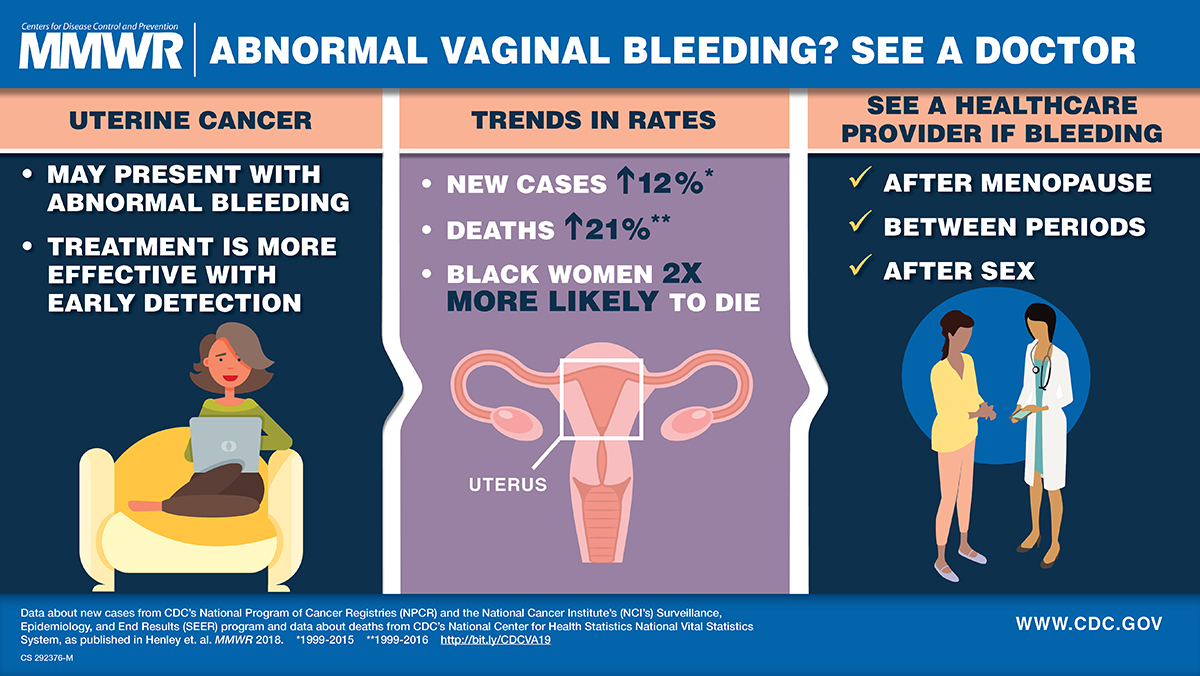
Uterine Cancer Incidence And Mortality United States 1999 2016 Mmwr from www.cdc.gov Irregular bleeding might be vaginal bleeding after the menopause. The most common symptom of endometrial/uterine cancer is abnormal vaginal bleeding, which may occur in between menstrual periods or after menopause. Endometrial or uterine cancer affects the uterus. Still, any delay in seeking medical help may allow the disease to progress even further. Women with uterine cancer may experience the following symptoms or signs. Cervical cancer treatment is more likely to be successful when the cancer is detected early, and this is commonly done through the hpv test and the pap test, (also known as a pap smear). Endometrial cancer is sometimes called uterine cancer. The cancer cells may damage the healthy tissues and cause bleeding.
Part of the reason is that the population is aging, and age is one of the biggest risk factors for cancer.
By 2010, the number of deaths were observed to increase to 58,000 cases. Finding cancer early, when it's small and hasn't spread, often allows for more treatment options. However, the early signs and symptoms of uterine cancer may vary from person to person. Abnormal vaginal bleeding or discharge, which occurs in nine out of 10 women with endometrial cancer. It may start as light bleeding and a watery discharge, which may get heavier over time. Endometrial cancer is also called uterine cancer. Other signs and symptoms of uterine cancer include: Other signs of uterine cancer Symptoms of a tumor in the uterus usually affect both premenopausal and postmenopausal women. In 1990, uterine cancer resulted in 45,000 deaths. Women tend to ignore early signs of ovarian cancer or think their symptoms are simply related to aging, weight gain or other less serious problems. The most common symptom of womb cancer is unusual (abnormal) bleeding from the vagina, although most people with abnormal bleeding do not have cancer. Other common symptoms of endometrial cancer include:
More about endometrial cancer risk factors, signs & symptoms. If you're not menopausal but have spotting between periods, that's a possible indication of uterine cancer. It may start as light bleeding and a watery discharge, which may get heavier over time. Abnormal vaginal bleeding or discharge, (i.e. Other signs and symptoms of uterine cancer include:
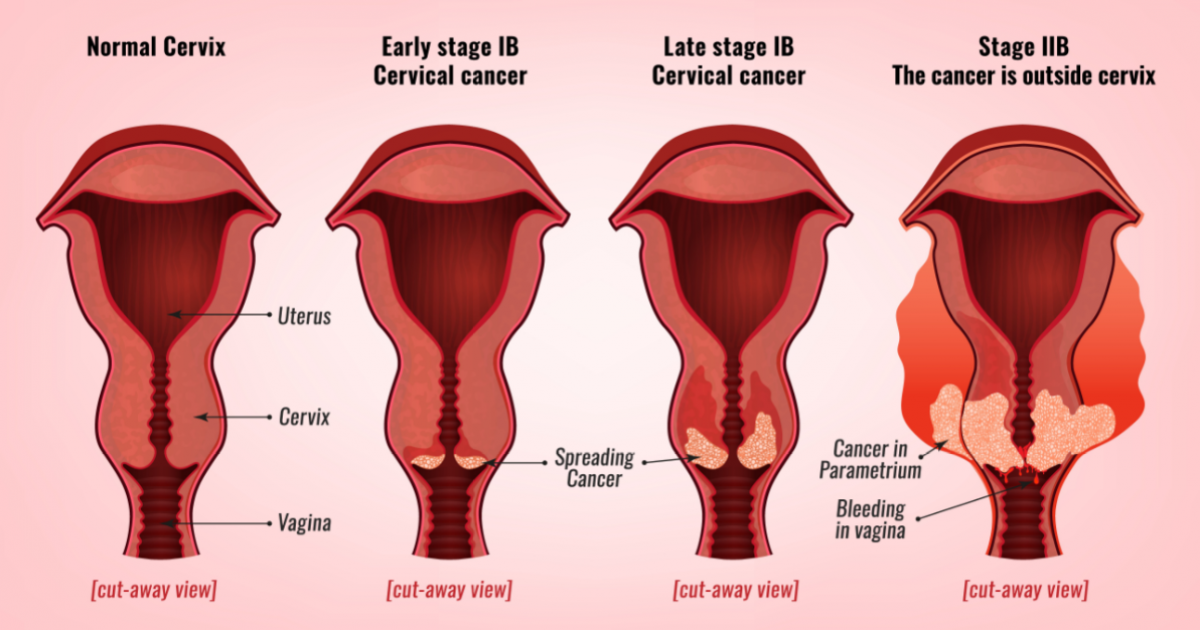
Cervical Cancer Stages Prof Andreas Obermair Professor Andreas Obermair from www.obermair.info Sometimes, women with uterine cancer do not have any of these changes. While the most common type has a very small risk of becoming cancer, the atypical type has a higher chance of developing into cancer. It is the fourth most common cancer among women in the united states and the tenth commonest cause of cancer death. Early signs of uterine cancer include very light, pinkish discharges. This may be after intercourse, between periods, after menopause, or after a pelvic examination. More frequent or urgent need to urinate and/or constipation are common for ovarian and vaginal cancers. One of the most common signs and symptoms of cervical cancer is vaginal bleeding. Endometrial or uterine cancer affects the uterus.
Cervical cancer treatment is more likely to be successful when the cancer is detected early, and this is commonly done through the hpv test and the pap test, (also known as a pap smear).
Pelvic pain, a mass, and weight loss pain in the pelvis, feeling a mass (tumor), and losing weight without trying can also be symptoms of endometrial cancer. These symptoms are more common in later stages of the disease. More about endometrial cancer risk factors, signs & symptoms. Cancer might make you need to go more often, have trouble getting urine out, or cause pain when you do. Endometrial or uterine cancer affects the uterus. Bleeding may be abnormal because of how heavy it is or when it happens, such as after you have gone through menopause, between periods, or any other bleeding that is longer or heavier than is normal for you. Postmenopausal bleeding is the big one, especially considering that endometrial cancer predominantly affects women over the age of 55. Irregular bleeding might be vaginal bleeding after the menopause. The most common symptom of uterine cancer is abnormal vaginal bleeding. The sooner a cancer is diagnosed the better the odds of beating it. Early signs of uterine cancer include very light, pinkish discharges. Finding cancer early, when it's small and hasn't spread, often allows for more treatment options. By 2010, the number of deaths were observed to increase to 58,000 cases.